Featured
Why Regional Financial Obligation Programs are Acquiring ...
Tax Ramifications of Financial Obligation Settlement vs C...
Protecting Your Home and Possessions From Predatory Pract...

Protecting Your Home and Possessions From Predatory Practices
Table of Contents
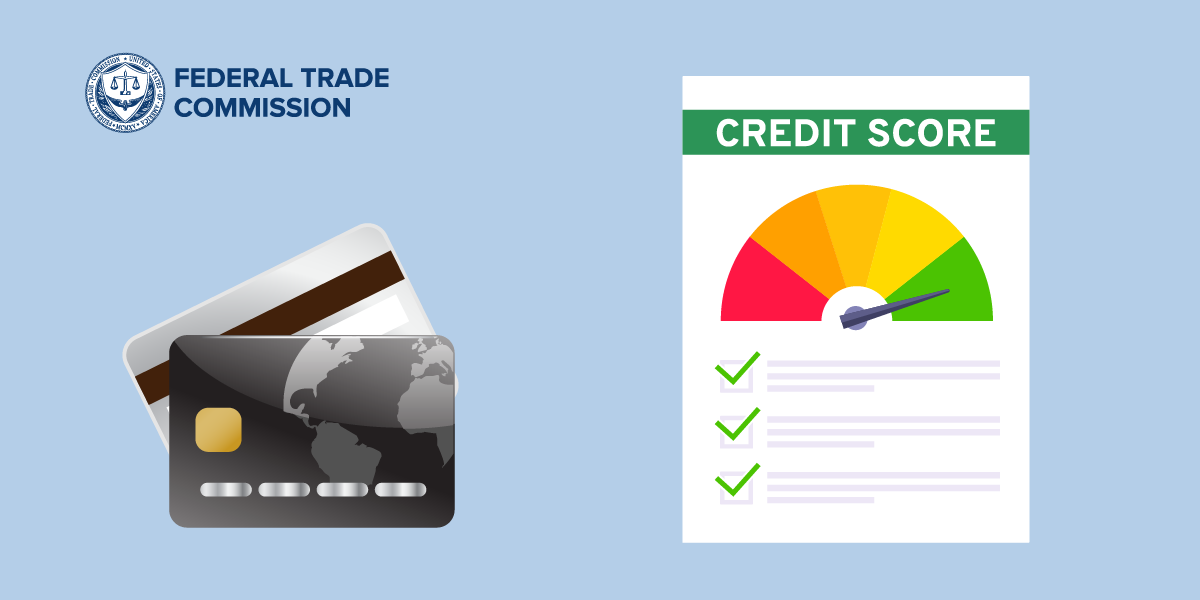
Credit card management has actually reached a complicated stage in 2026 as rates of interest stay at levels unseen in the previous years. Monetary conditions in 2026 need a proactive method to credit usage, which is the ratio of revolving credit used compared to the overall limitations available. This metric stays a primary factor in identifying credit scores, typically carrying as much weight as payment history in contemporary scoring designs. Households in the local area are discovering that even small shifts in regular monthly balances can activate significant modifications in their credit standing.
Comprehending Utilization in the 2026 Economy
The 2026 financial environment is defined by consistent, moderate inflation and a stabilizing however high-interest rate environment. Lots of lenders have tightened their requirements, making credit history a lot more sensitive to utilization spikes. Traditionally, keeping balances listed below 30% was the standard guidance, however many financial experts in 2026 recommend that staying listed below 10% is now necessary to preserve an elite rating. High rates of interest indicate that bring a balance leads to fast financial obligation development, which in turn increases the utilization ratio automatically monthly as interest charges are included to the principal. Keeping low balances is not almost rating preservation-- it is a defensive move against the compounding cost of financial obligation.
Keeping an eye on these ratios requires attention to statement closing dates rather than payment due dates. Credit card providers usually report the balance to credit bureaus when a month, generally on the day the statement is generated. If a customer pays their bill in full on the due date, however had a high balance on the declaration date, the bureaus may still see high usage. Residents of various regions can enhance their profiles by making several payments throughout the month or paying the balance completely a couple of days before the declaration period ends. This makes sure the reported balance is as low as possible.
Strategic Tracking and Customer Defenses
Credit monitoring has ended up being a standard practice for lots of in 2026, moving beyond easy score checking to deep-level report analysis. The Fair Credit Reporting Act continues to supply the foundation for customer rights, ensuring that everyone in the United States has the right to accurate info. Errors on credit reports-- such as misreported limits or out-of-date balances-- can synthetically pump up utilization rates. Regular evaluations of reports from the 3 major bureaus help identify these discrepancies before they affect loan applications or insurance premiums. Numerous people now count on Debt Management to remain informed about modifications to their files.
Customer rights also reach the disagreement procedure. If a charge card company fails to upgrade a limitation after a boost or improperly reports a closed account as open with a balance, the customer can challenge that information. In 2026, lots of conflict processes have been streamlined through digital portals, though certified mail remains the most dependable approach for maintaining a proof. Accuracy in credit reporting is important because contemporary scoring models increasingly take a look at trended data, which evaluates how utilization modifications in time instead of simply looking at a single point in the month.
Improving Financial Health in Regional Hubs
When debt becomes tough to manage individually, nonprofit credit counseling companies offer a structured course forward. These organizations, which are often 501(c)(3) entities approved by the U.S. Department of Justice, provide complimentary credit therapy and debt management programs. Professional Debt Relief Solutions provides a way to combine various credit card payments into one regular monthly quantity while the company negotiates for lower rate of interest with creditors. This is particularly reliable in 2026, as the space between standard charge card APRs and negotiated nonprofit rates has actually expanded, supplying significant savings for individuals. These programs focus on paying down the principal quickly, which has the instant adverse effects of lowering usage ratios.
These companies also supply necessary pre-bankruptcy therapy and pre-discharge debtor education for those facing serious monetary difficulty. For property owners in the surrounding area, HUD-approved real estate therapy is likewise readily available through these networks to assist prevent foreclosure or assist with first-time home buying education. The focus of these nonprofits is financial literacy, helping consumers understand the mechanics of their credit report and the long-lasting effect of their monetary choices.
The Role of Debt Management and Literacy
Financial literacy education is a core element of sustainable financial obligation reduction. Comprehending how interest compounds and how utilization is computed can change the method a customer utilizes their cards. For instance, some people choose to keep old, unused accounts open up to preserve a higher total credit line, which helps keep their utilization percentage low. In 2026, some banks have started closing inactive accounts more often. A literate consumer knows to use these cards for little, infrequent purchases to keep the account active and protect the limit.
Taking part in a debt management program is a serious dedication that typically involves closing the charge account consisted of in the strategy. While this may temporarily reduce the overall readily available credit and impact usage, the consistent decrease of financial obligation and the elimination of high rates of interest typically result in a much more powerful financial profile over several years. Many companies and neighborhood groups across the surrounding states partner with nonprofit companies to supply these services as worker benefits or neighborhood outreach. The demand for Debt Management in Akron remains high as people try to find expert assistance in a shifting economic environment.
Long-Term Credit Stability in 2026
Keeping a healthy credit profile in 2026 requires more than simply paying on time. It involves a tactical understanding of how financial obligation is reported and a willingness to utilize available consumer protections. Federal laws safeguard consumers from predatory practices, and nonprofit firms use a safety net for those who discover themselves overwhelmed by the expense of borrowing. By focusing on keeping usage low and monitoring reports for precision, individuals can secure their purchasing power and guarantee they are gotten ready for any future economic shifts.
The ability to gain access to inexpensive credit is a cornerstone of financial stability. Whether it is for a home in a local neighborhood or a small company endeavor, a strong credit rating is the key that opens those doors. As the 2026 interest rate environment continues to progress, the most effective consumers will be those who treat their credit usage as a workable variable rather than a fixed concern. Through education, careful monitoring, and the assistance of nonprofit resources, accomplishing a high level of monetary health is an obtainable goal for everyone in the nation.

Table of Contents
Latest Posts

Why Regional Financial Obligation Programs are Acquiring Appeal

Tax Ramifications of Financial Obligation Settlement vs Chapter 7 Personal bankruptcy
Protecting Your Home and Possessions From Predatory Practices
More
Latest Posts
Why Regional Financial Obligation Programs are Acquiring Appeal
Tax Ramifications of Financial Obligation Settlement vs Chapter 7 Personal bankruptcy
Protecting Your Home and Possessions From Predatory Practices